Indonesia Stocks Plunge 11% as MSCI Proposes Major Market Downgrade

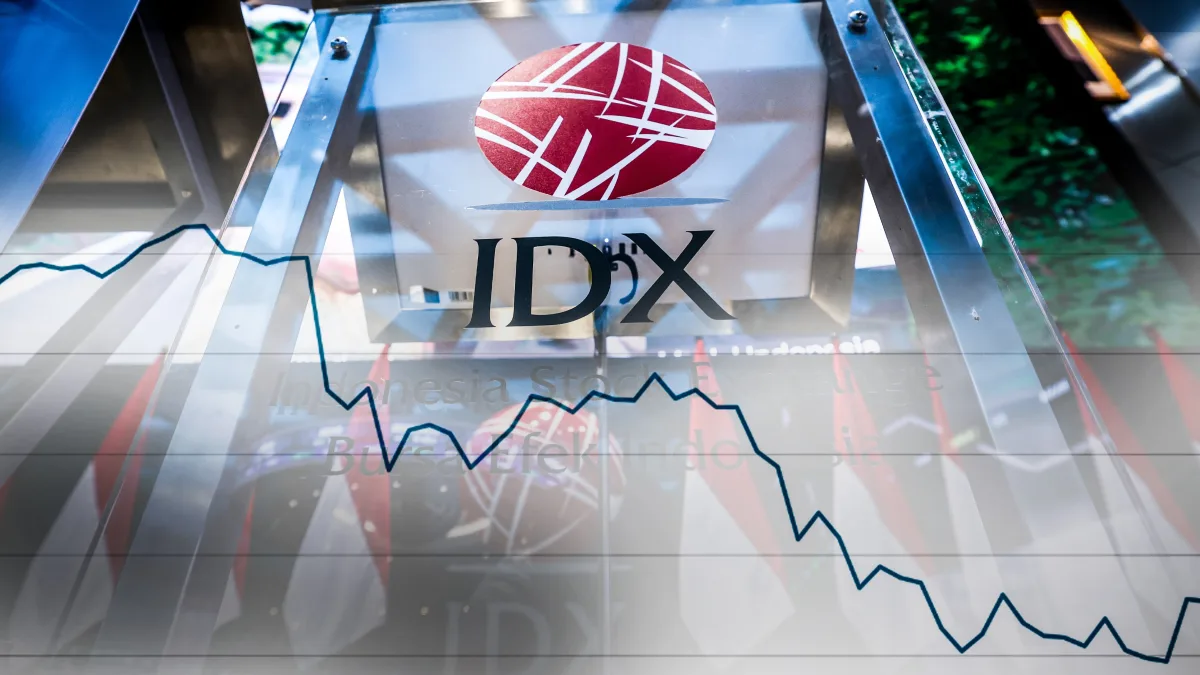
Indonesian stocks plunged more than 11% on Friday, October 16, after MSCI proposed removing Indonesia from its emerging-market indexes. Jakarta’s benchmark stock index dropped 8% at the opening, triggering a 30-minute trading halt. Losses deepened after trading resumed, putting the market on course for its steepest daily decline since January 1998. The index has lost nearly 40% in 2026, making it the region’s worst performer.
MSCI proposed reclassifying Indonesia as a standalone market, citing persistent concerns about ownership transparency, concentrated shareholdings, and suspected coordinated trading. The downgrade could remove Indonesian equities from major global benchmarks, potentially forcing passive investment funds to sell their holdings. MSCI will accept consultation responses until April 30, 2027, and announce its final decision by June 30, 2027.
Meanwhile, Indonesia’s rupiah weakened to 18,070 per US dollar, approaching its record low of 18,190. The Indonesia Stock Exchange said it had introduced measures to improve market transparency and would seek clarification from MSCI. However, investors remain concerned about potential capital outflows, currency volatility, and declining foreign investment. The proposed downgrade adds pressure to Southeast Asia’s largest economy as authorities work to restore market confidence.
Why it matters
Removing Indonesia from emerging-market benchmarks could trigger substantial foreign capital outflows and increase borrowing costs. The decision may also influence how global investors assess emerging-market risks across Asia.